Autobayng News Team

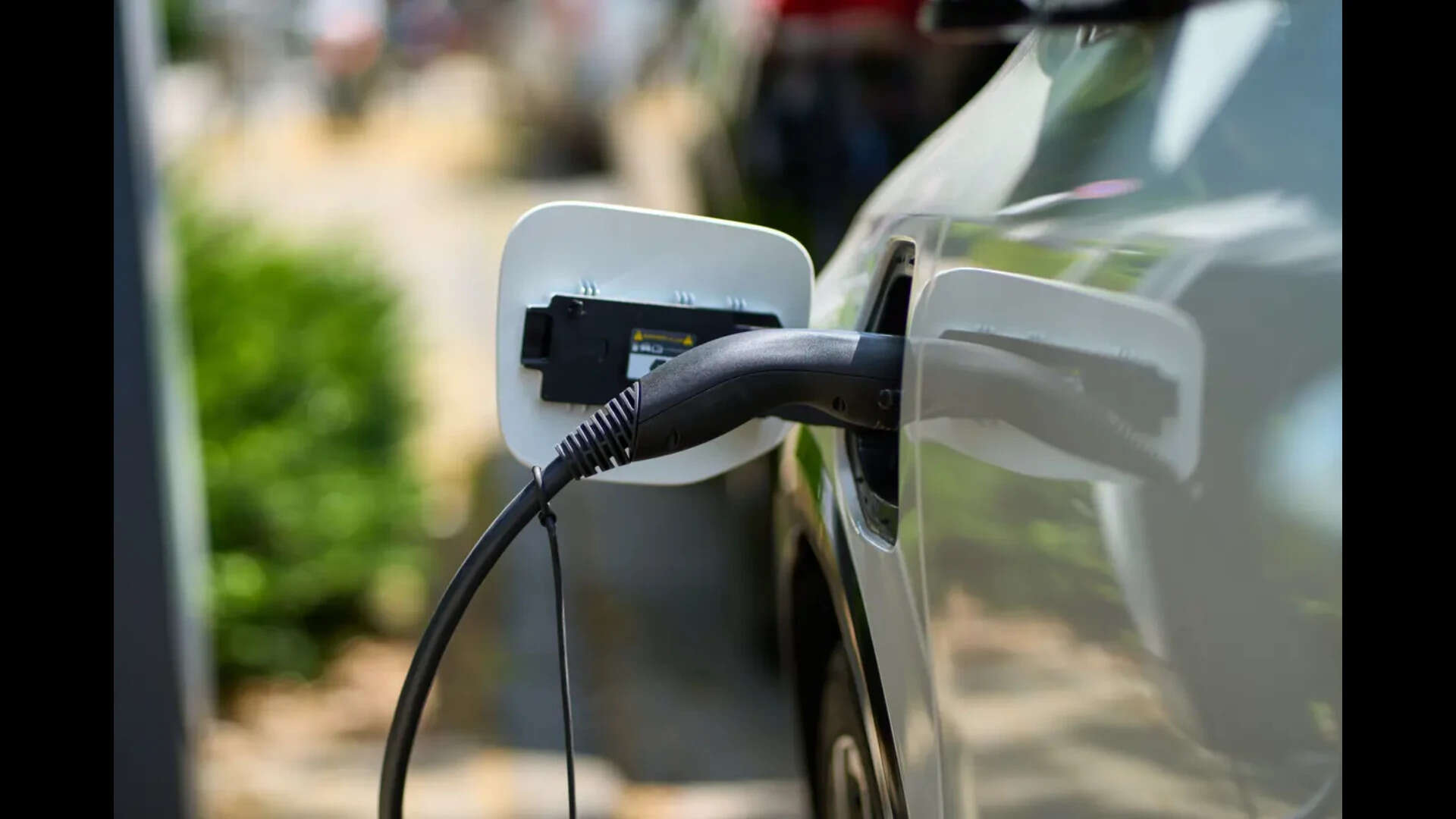
India is experiencing a near doubling of demand for electric cars and two-wheelers, as sharply higher fuel prices due to the Iran war prompt a growing number of consumers to switch. This has triggered an unprecedented demandsupply imbalance, catching the industry off-guard, with companies scrambling to fulfil the surge in orders. Their efforts are however crimped by suppliers unable to keep pace due to manpower shortage and supply chain issues.
“In the last 15 days, things have changed completely,” said Shailesh Chandra, managing director at Tata Motors Passenger Vehicles and Tata Passenger Electric Mobility on Wednesday. “It is an even sharper growth in interest than what I was seeing two to three weeks ago.” At Tata Motors, the country’s largest electric car maker, demand is running at 2 to 2.5 times its current monthly capacity of 9,000-10,000 cars.
“Whatever you give me, I will sell, just send me units,” said Ravneet Phokela, chief business officer at electric two-wheeler maker Ather Energy, citing conversations with dealers. The sales data reflect the intense market demand. Electric car registrations jumped 51 per cent to 21,669 units this month as of May 27. Electric two-wheelers climbed 36 per cent to 1,43,668 units over the same period, according to the government’s Vahan portal.
Automakers say the real bottleneck is not on the factory floor. Chandra said Tata’s in-house manufacturing is not the constraint — it is the inability of suppliers to ramp up fast enough. The company is targeting a 50 per cent capacity increase within three to four months, taking monthly output to around 15,000 units.
Mahindra & Mahindra tells a similar story. The company hasn’t been able to produce enough EVs, particularly the BE 9S seven-seater electric SUV, which has been in strong demand since launch, due to labour shortages at suppliers. Though Mahindra declined to comment officially, its dealers confirmed the pressure. “On an admittedly low base, enquiries have inched up 30 per cent and conversion into sales has doubled to 20 per cent,” said a M&M dealer.
The share of electric SUVs in Mahindra’s overall mix rose to 10 per cent in May from 8 per cent at the end of the March quarter. At Tata Motors, the share climbed to 18 per cent from 14 per cent in the same period.
Phokela explained that the supply crunch has been compounded by factors beyond the demand surge itself. A shortage of LPG that preceded the latest fuel price hikes disrupted component makers reliant on gas-fired equipment, while a wave of migrant labour returning to their hometowns due to elections in some states left suppliers short of hands even where materials were available.
Join the community of 2M+ industry professionals.
Subscribe to Newsletter to get latest insights & analysis in your inbox.
All about ETAuto industry right on your smartphone!
- Download the ETAuto App and get the Realtime updates and Save your favourite articles.