

 Autobayng News Team

It’s called the Heated Chiller, and it replaces three components responsible for interior heating and battery temperature control.
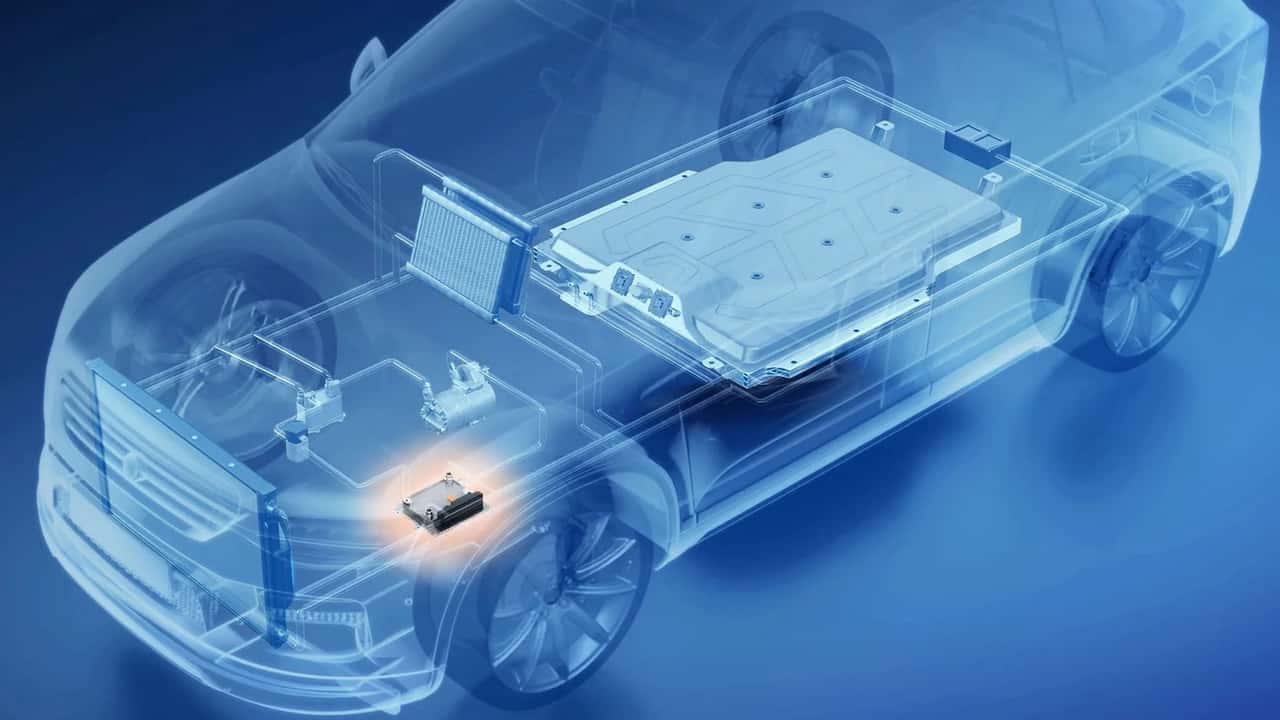
Photo by: Webasto Group


- Germany’s Webasto is developing a heating and cooling device that can boost efficiency in EVs by replacing several components.
- The Heated Chiller was designed to integrate three functions.
- It can cool and heat the battery, and it can also help heat the cabin during cold spells.
Keeping an electric car’s battery at the right temperature is of utmost importance. Get it wrong, and you’re in for a poor ride: bad range, slow charging and accelerated degradation. As a result, automakers have come up with all sorts of solutions to keep battery temperature in check, but the problem is that some of the systems are very complicated and not very efficient.
Germany’s Webasto, a big automotive supplier, wants to bring some simplicity into the battery heating game with a device that can take the role of three individual components in a traditional system.

Called the Heated Chiller, the pioneering three-in-one heating and cooling plate is currently in development for 800-volt EVs. The device, which Webasto announced on Tuesday, promises to cut losses, improve cabin heating in extreme cold and keep the battery at the right temperature, all while driving down costs.
Webasto claims its new high-voltage component replaces the air heater, high-voltage coolant heater and chiller found in the most convoluted setups. The company says the Heated Chiller can heat the battery coolant to improve performance, charging speeds and service life. It can also remove excess heat from the battery circuit by using the integrated chiller, and it can directly heat the refrigerant that’s used by the heat pump, helping it to warm up the cabin faster.
The Heated Chiller taps into both the coolant loop and the refrigerant loop to make all of this happen, making it an interesting solution in the EV space. And because it can replace three components and their associated pipework, it can save some precious room under the skin. It should also make it simpler to diagnose potential problems down the road, though it’s not clear yet how expensive it would be to replace if it goes wrong. More Stuff Like This We want your opinion! What would you like to see on Insideevs.com? – The InsideEVs team
