Autobayng News Team

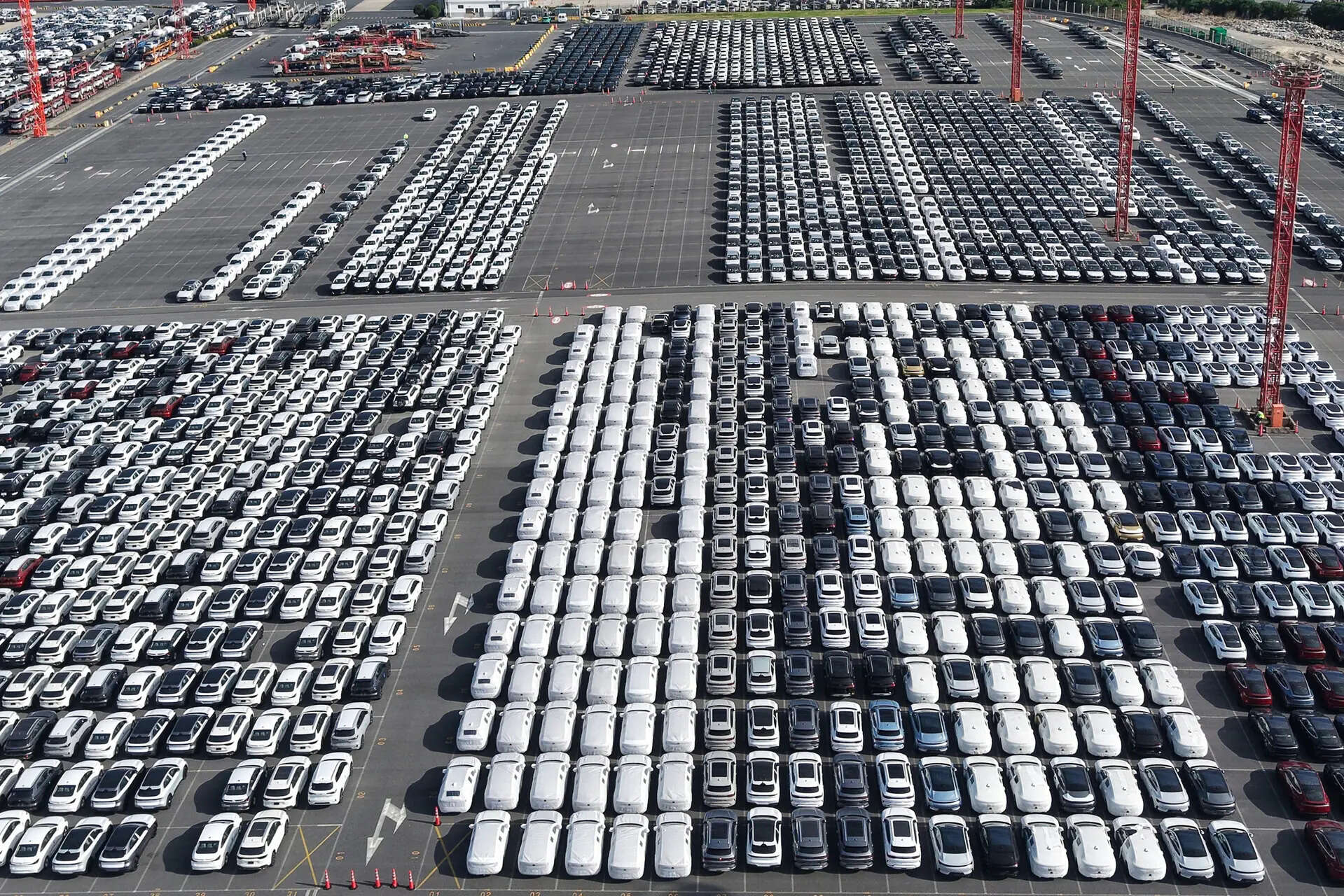
South Africa is considering imposing import tariffs of up to 50 per cent on vehicles from China and India as it seeks to protect its domestic automotive manufacturing sector from a surge in low-cost imports, according to a Bloomberg report.
The move is part of an internal review being conducted by the Department of Trade, Industry and Competition (DTIC) to assess measures that could curb rising inbound shipments, which policymakers say are undermining local production and squeezing margins for domestic manufacturers.
Speaking before lawmakers in Cape Town on Tuesday, Ayabonga Cawe, Commissioner of the International Trade Administration Commission (ITAC), said one option under consideration is amending South Africa’s tariff schedule to align import duties with the country’s bound rates under World Trade Organization (WTO) commitments.
“For completely built-up passenger vehicles, the bound rates there are at 50 per cent, while our duties at the moment are at around 25 per cent,” Cawe said. “On components, there is some room to manoeuvre — depending on the origin market — of between 10 per cent and 12 per cent.”
China and India, along with South Africa, are members of the BRICS grouping of emerging economies, which has been pushing for closer trade cooperation among member nations. However, vehicle imports from the two Asian manufacturing hubs have risen sharply in recent years, prompting concerns within South Africa’s auto industry.
In 2024, vehicles sourced from China accounted for 53 per cent of South Africa’s total vehicle imports, while India contributed 22 per cent. Imports from China have surged 368 per cent over the past four years, while shipments from India have risen 135 per cent over the same period.
The influx has been most pronounced in the entry-level passenger vehicle segment, where competitively priced imports have intensified competition and compressed margins for local producers.
As part of the review, the DTIC is also expected to consult the National Treasury on additional fiscal measures. These could include the introduction of an excise duty on new luxury vehicles and a reassessment of rebate credit certificate mechanisms used in the automotive sector.
Join the community of 2M+ industry professionals.
Subscribe to Newsletter to get latest insights & analysis in your inbox.
All about ETAuto industry right on your smartphone!
- Download the ETAuto App and get the Realtime updates and Save your favourite articles.