Autobayng News Team

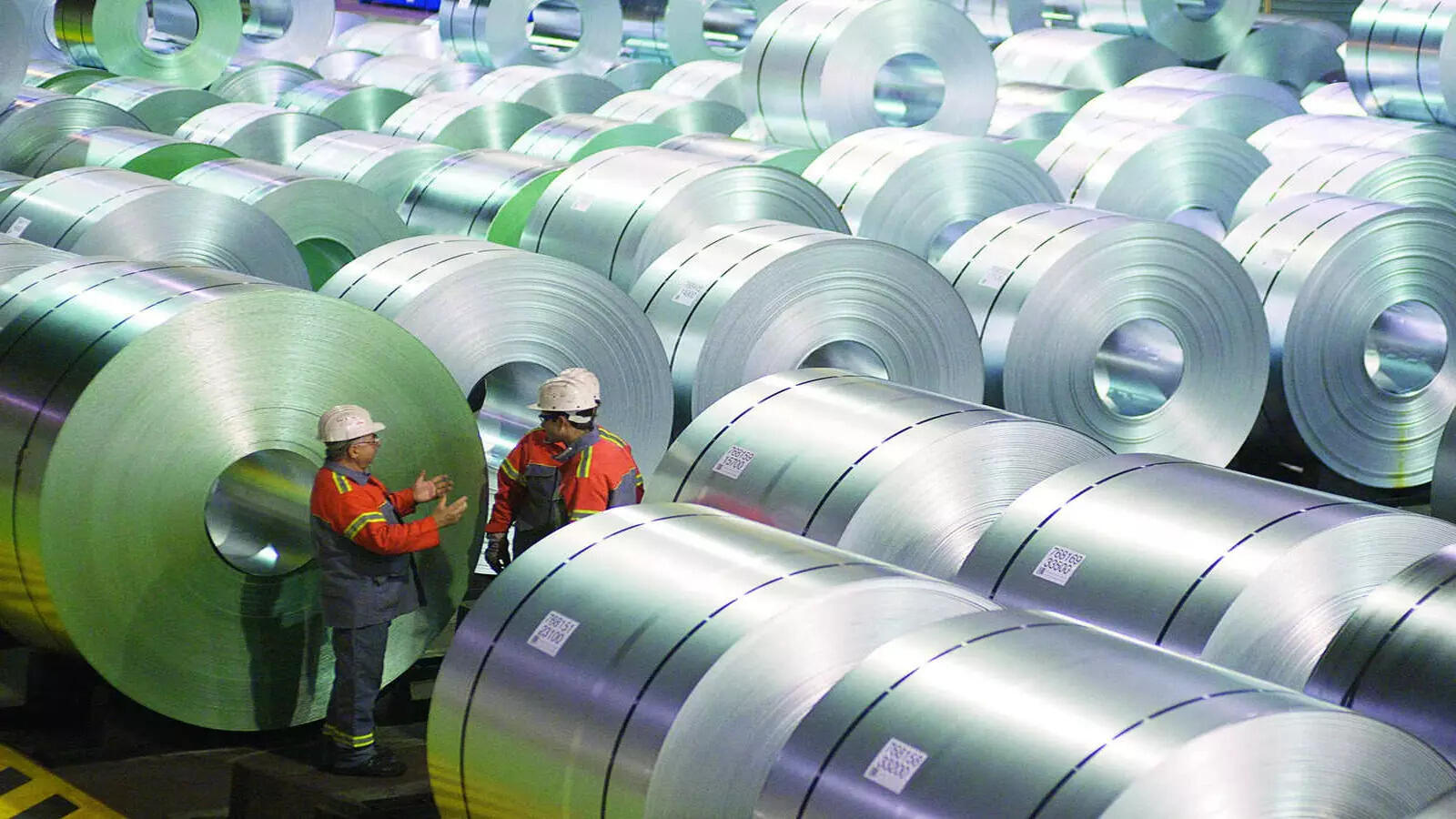 India’s foundry industry has transformed, evolving from a traditional manufacturing base into a globally competitive ecosystem built on scale, technology, and engineering depth.
“>
Prasan Firodia, president and trustee of the aluminium casters association of India (ALUCAST) and MD of Jaya Hind Industries, a supplier of precision aluminium die-cast components, operates factories across Maharashtra and Madhya Pradesh and is now establishing a 200 crore fully integrated unit near Chennai. In an interview, he discusses the size of the foundry industry, growth prospects, tech transformation and challenges. Excerpts:1) How big is India’s foundry sector, and how has it grown over the past few years?
India’s foundry industry has transformed, evolving from a traditional manufacturing base into a globally competitive ecosystem built on scale, technology, and engineering depth. With more than 4,500 foundries employing more than two million people, India has consolidated its position as the world’s second-largest producer of castings, touching nearly 12 million tonnes annually. With a projected market size of $25 billion by 2025 and strong growth through 2029, the sector is entering a phase of heightened relevance.2) Is the industry entering a tech-led era?
The industry’s progress reflects not just capacity expansion but a decisive shift toward modernization through advanced melting and moulding technologies, digital simulation, energy-efficient processes, and high-pressure die casting for lightweight applications. While the ferrous segment still accounts for most of the output, rapid growth in non-ferrous and aluminium castings is being fuelled by lightweighting, electrification, and rising global demand for precision components. Foundries are moving beyond volume to focus on innovation, quality, and engineering leadership, actively shaping the future of mobility and advanced manufacturing.3) How are foundries reinventing strategy?
The industry is undergoing a significant structural shift, with the transition to electric mobility reshaping the casting landscape and encouraging ferrous foundries to reinvent themselves. Instead of viewing EVs as a disruption, this shift is seen as an opportunity to broaden capabilities, accelerate tech adoption, and move into higher-value products. Many ferrous foundries are adding non-ferrous and aluminium casting lines for lightweight EV components, while also developing specialised ferrous solutions such as high-strength steels for safety structures, engineered enclosures, and advanced electrical steels for motors.4) What about diversification?
Foundry units are diversifying into infra, energy systems, and industrial machinery. Digital simulation, automation, high-pressure die-casting technologies, and sustained workforce upskilling is driving this progress. Global exposure is also shaping this evolution. In our case, the expertise of LMG Manufacturing GmbH, Jaya Hind’s wholly owned European subsidiary in Germany, which has built capabilities in electric mobility solutions for the European market, provides insight into how these technologies are advancing worldwide. These developments are accelerating the industry’s move toward innovation, material leadership, and multi-sectoral growth.5) Is defence localisation under Aatmanirbhar Bharat opening new growth runway?
As India’s manufacturing landscape evolves, the foundry sector is poised to benefit. Defence localisation under Aatmanirbhar Bharat is driving demand for high-integrity castings across naval assets, artillery systems, military vehicles, aerospace platforms, and emerging technologies such as drones and electronic warfare systems. The govt’s positive indigenisation lists are impactful, mandating domestic sourcing for thousands of components and creating a long-term, value-rich pipeline for capable foundries.
6) What are the challenges?
Rising energy costs and raw material volatility are pushing manufacturers toward greater efficiency and cleaner, more controlled melting technologies. Increasing compliance and reporting requirements aligned with national standards and global regulatory frameworks are also adding to operational complexity, particularly for export-oriented foundries. Sustainability expectations—ranging from energy transition commitments to carbon reporting and circular resource practices—are becoming an important operational priority across the sector.
Join the community of 2M+ industry professionals.
Subscribe to Newsletter to get latest insights & analysis in your inbox.
All about ETAuto industry right on your smartphone!
- Download the ETAuto App and get the Realtime updates and Save your favourite articles.