Autobayng News Team


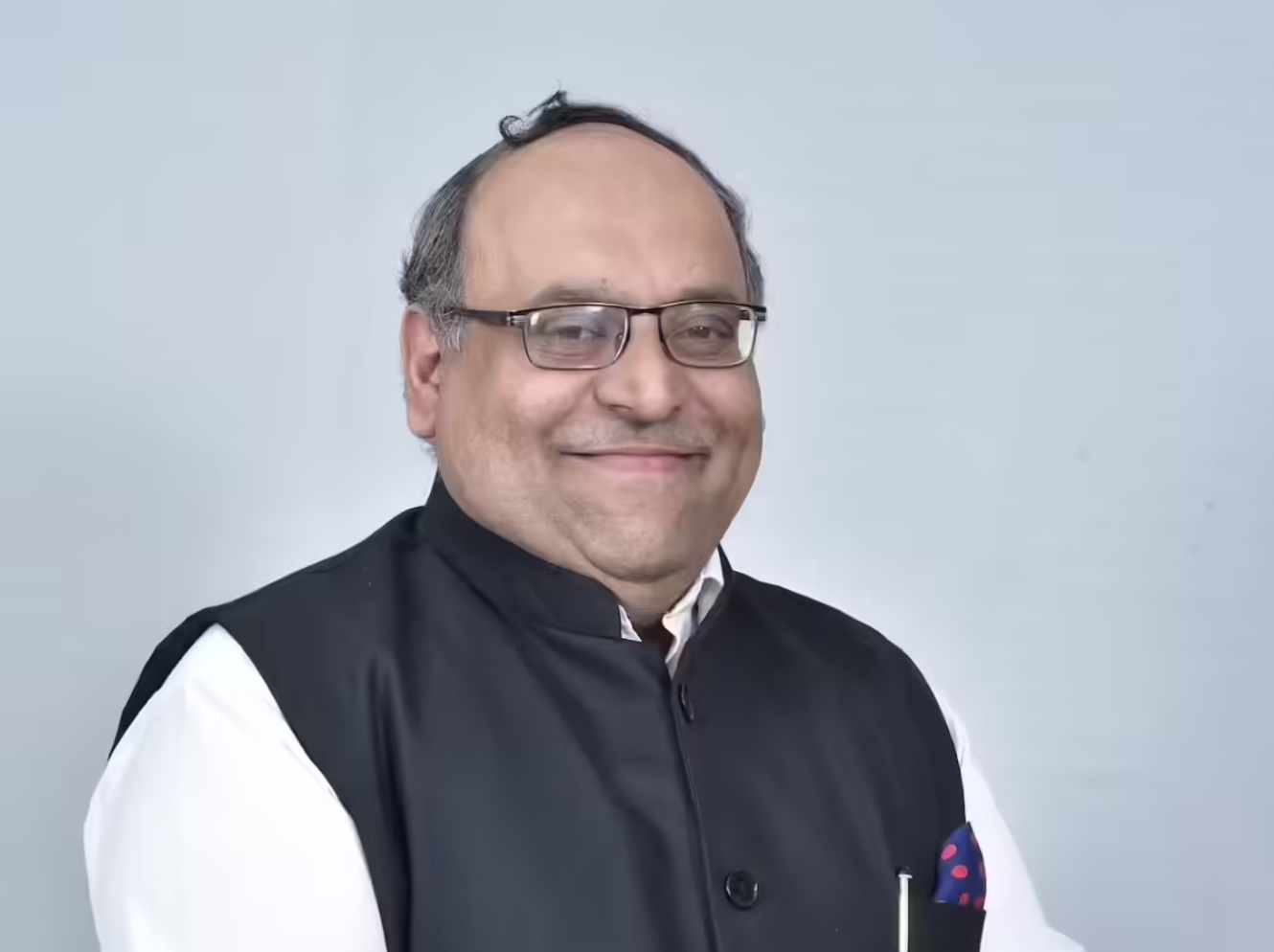 Vikram Gulati, Country Head – Corporate Affairs, and EVP, Toyota Kirloskar Motor (TKM)
“>
With the launch of its maiden mass-market electric vehicle, the Toyota Urban Cruiser EBella, alongside the premium Lexus ES 500e in the luxury segment, Toyota is expanding its electric mobility footprint in India while broadening its portfolio of powertrain technologies for domestic consumers.In this interview, Vikram Gulati, Country Head – Corporate Affairs, and EVP, Toyota Kirloskar Motor (TKM), tells ETAuto that India has a huge opportunity to address climate needs with a multi-powertrain approach, within which, while all technologies will play a key role, hydrogen-powered vehicles will scale faster than anticipated by the masses.Gulati also discusses how scale and value-chain depth remain global challenges for localising electronics and batteries in major markets outside China.Edited excerpts:
Toyota has been strong in hybrids, and now that EVs are entering your portfolio, how do you see the electrification transition in India?
Our approach has been consistent. We’ve always believed the ultimate goal is decarbonisation and the reduction of fossil fuel consumption. Toyota’s journey began with electrification decades ago, and globally we’ve sold around 38 million electrified vehicles, largely strong hybrids.
This experience gives us deep capability across batteries, motors, and control systems. Going forward, we will follow a multi-technology pathway—BEVs, hybrids, plug-in hybrids, and even alternate fuels—depending on customer needs and market readiness.In India, factors such as the energy mix, infrastructure, and affordability are critical. While EVs are important, hybrids currently offer strong carbon reduction benefits in a coal-heavy energy ecosystem. Ultimately, the customer will decide the mix.How is Toyota progressing on localisation, especially for EV and electrified powertrains?
Localisation has been a core focus. Our key models already have over 90 per cent localisation. For electrification, our group company, Toyota Kirloskar Auto Parts (TKAP), has set up an e-drive manufacturing facility in India—the first outside Japan in Asia—with a capacity of about 135,000 units.
However, components like semiconductors, magnets, and battery materials remain challenging. This will be a gradual journey.
What are the key challenges in building a local EV ecosystem despite government incentivisation?
The government has already taken significant steps through PLI schemes for EVs, advanced chemistry cells, and semiconductors. These will certainly help deepen localisation further.
Having said that, scale and value chain depth are major challenges globally, not just in India. Building competitiveness across technology, supply chains, and cost structures takes time.
Given the global geopolitical shifts, is localisation becoming more critical?
Absolutely. It reinforces the need for a broader, more inclusive approach to clean mobility. Alongside electrification, alternate fuels like ethanol, CNG, and hydrogen also offer viable pathways, especially for India.
Ethanol, in particular, is a strong opportunity due to local availability and minimal import dependency.
What policy changes would help accelerate the adoption of clean technologies?
We need a more consumer-centric approach. Currently, cleaner technologies are more expensive but are taxed similarly to conventional vehicles. This can discourage adoption.
Globally, many markets are moving towards carbon-based taxation systems. A similar approach in India could create a more balanced and effective transition.
What is your outlook on hybrids and plug-in hybrid vehicles in India?
Hybrids are gaining strong traction globally, including in Europe, the US, and China. In India, too, we see growing interest.
The potential of any technology, including PHEVs, depends largely on policy support during the transition phase.
What is your view on what is currently happening regarding the CAFE norms, and what should be the ideal scenario?
We may wish for whatever, but the government has to take into account very diverse requirements, not only from very different stakeholders but also from national objectives. The national objectives are paramount. Everything else is subservient to the national goals.
The government has held many consultations, and barring one issue where there seems to be some divergence, the industry has reached consensus, and our views have been shared with the government. And now, we are waiting for the government to take a final call and issue the notification.
The industry believes that all green fuels, including ethanol, CBG, and electric, need to be supported. I believe the government also shares this view. So we are just waiting for the final notification to come.
How do you view hydrogen as a future mobility solution?
Hydrogen could scale faster than expected, especially for heavy-duty applications like trucks and buses. It is one of the most effective energy storage mediums, and for hard-to-abate sectors such as steel and cement, it is the go-to solution. With increasing investments and policy push, we expect faster development of the hydrogen ecosystem in India.
While initially it will be a mix of hydrogen-ICE and FCEVs, as the ecosystem picks up and technology cost reductions kick in, we believe there will be a faster adoption of Fuel-Cell Electric Vehicles (FCEVs), spreading from localised applications to wider applications and even to larger formats like cars.
What role will conventional fuels like diesel and CNG play going forward? Would Toyota phase out diesels?
All fuels will continue to play a role in the near- to medium-term. After BS-VII, emissions across fuels are comparable, and each fuel has its own advantages. The transition will be gradual and guided by consumer needs.
We are not moving away from any energy format. Our strategy is driven by customer demand while ensuring compliance and sustainability. The market will ultimately decide.
Join the community of 2M+ industry professionals.
Subscribe to Newsletter to get latest insights & analysis in your inbox.
All about ETAuto industry right on your smartphone!
- Download the ETAuto App and get the Realtime updates and Save your favourite articles.