Autobayng News Team


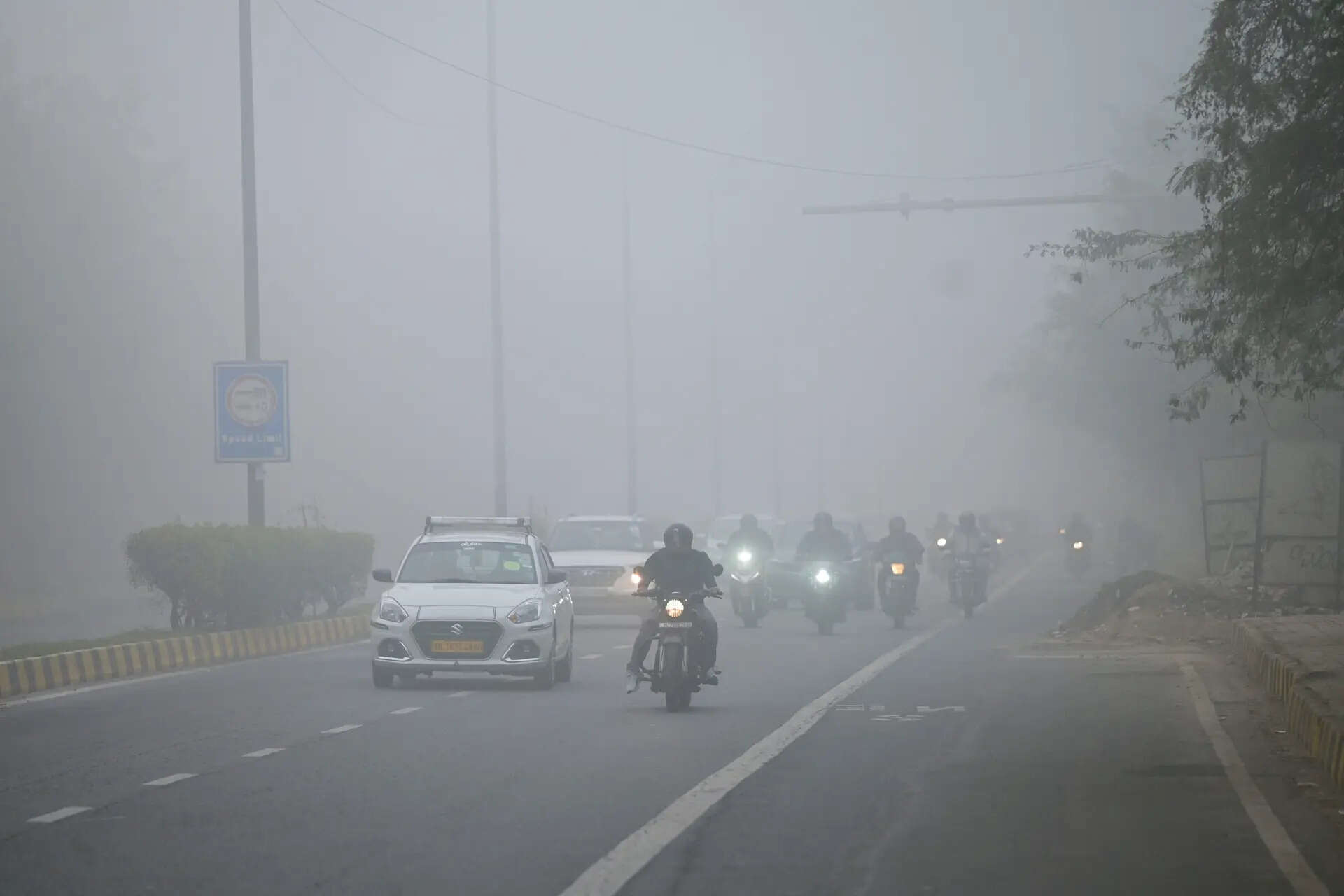 Emissions such as NO2, PM2.5 and VOC at the fast idling stage at 2500 rpm are sometimes recorded, but these are not considered during certification, he pointed out.
“>
Environment minister Manjinder Singh Sirsa has said that over 10,000 vehicles have failed emission tests since the implementation of GRAP-4 and over 2 lakh have been issued Pollution Under Control (PUC) certificates.He added that govt is also upgrading all PUC centres with high-capacity equipment to reduce delays and ensure accurate emission testing.
Additionally, a third-party inspection mechanism will be introduced to strengthen credibility and transparency in certification.
He said the 2 lakh vehicles got the PUC tests done after the “No PUC, No Fuel” rule came into effect. Of these, nearly 10,000 failed to meet standards. “This clearly indicates that the enforcement measures are being implemented seriously and are yielding results,” Sirsa added.According to experts, the current on-road vehicle inspection programme is weak and based on simple idle testing of CO and hydrocarbons (HC) at two speed idle tests, along with Lambda test for petrol vehicles and smoke density test for diesel vehicles.
Researchers at DTU had earlier rolled out an AQI-type PUC certificate system that considered the mileage of vehicles too when testing for emissions. They referred to older studies published with the Atmospheric Pollution Research and American Society of Civil Engineers, and suggested inspections and maintenance, along with mileage, as important factors that should be incorporated in PUC tests.
Dr Rajeev Kumar Mishra, associate professor at the department of environmental science and engineering at DTU, said the testing now and recertification for in-use cars should include fast idle conditions as well as mass emission testing. The PUC certificate is given just based on the CO and hydrocarbon emissions when the car is in the idle state, meaning the engine is not revving, he said. Emissions such as NO2, PM2.5 and VOC at the fast idling stage at 2500 rpm are sometimes recorded, but these are not considered during certification, he pointed out.“Identifying which vehicles should be phased out or issued PUC certificates should be based on the accumulated mileage, maintenance records, and performance according to both emission norms, not just by age,” Mishra said. There are no standards from BS-6, and every vehicle is tested based on its built type, he added.According to a study by CSE, vehicle emissions are one of Delhi’s major source of air pollution and have a direct impact on human health. While PUC checks may keep the highly polluting vehicles off the road, it still doesn’t address the harmful emissions such as PM2.5 and other toxic gases.“Various studies on source apportionment and emission inventory have shown that vehicles are the second largest contributor of particulate emissions. Vehicles are responsible for highly toxic exposures as the emissions happen at the breathing height,” said Shambhavi Shukla, programme manager on air pollution at the Centre for Science and Environment.She suggested an upgrade to more updated vehicle emission surveillance systems, such as remote sensing, for stringent monitoring.
She pointed to another layer of problems in PUC certification — the centres themselves. “CSE and EPCA conducted an audit in 2017 of PUC system in Delhi -NCR. They found that at many places the certificate was issued without even putting the emissions probe into the tailpipe. In NCR, there were many centres that had only printers, not even a monitor. There were also instances when different centres showed varying results. PUC staff should have a compulsory ITI certificate, ” she said.
Join the community of 2M+ industry professionals.
Subscribe to Newsletter to get latest insights & analysis in your inbox.
All about ETAuto industry right on your smartphone!
- Download the ETAuto App and get the Realtime updates and Save your favourite articles.