Autobayng News Team


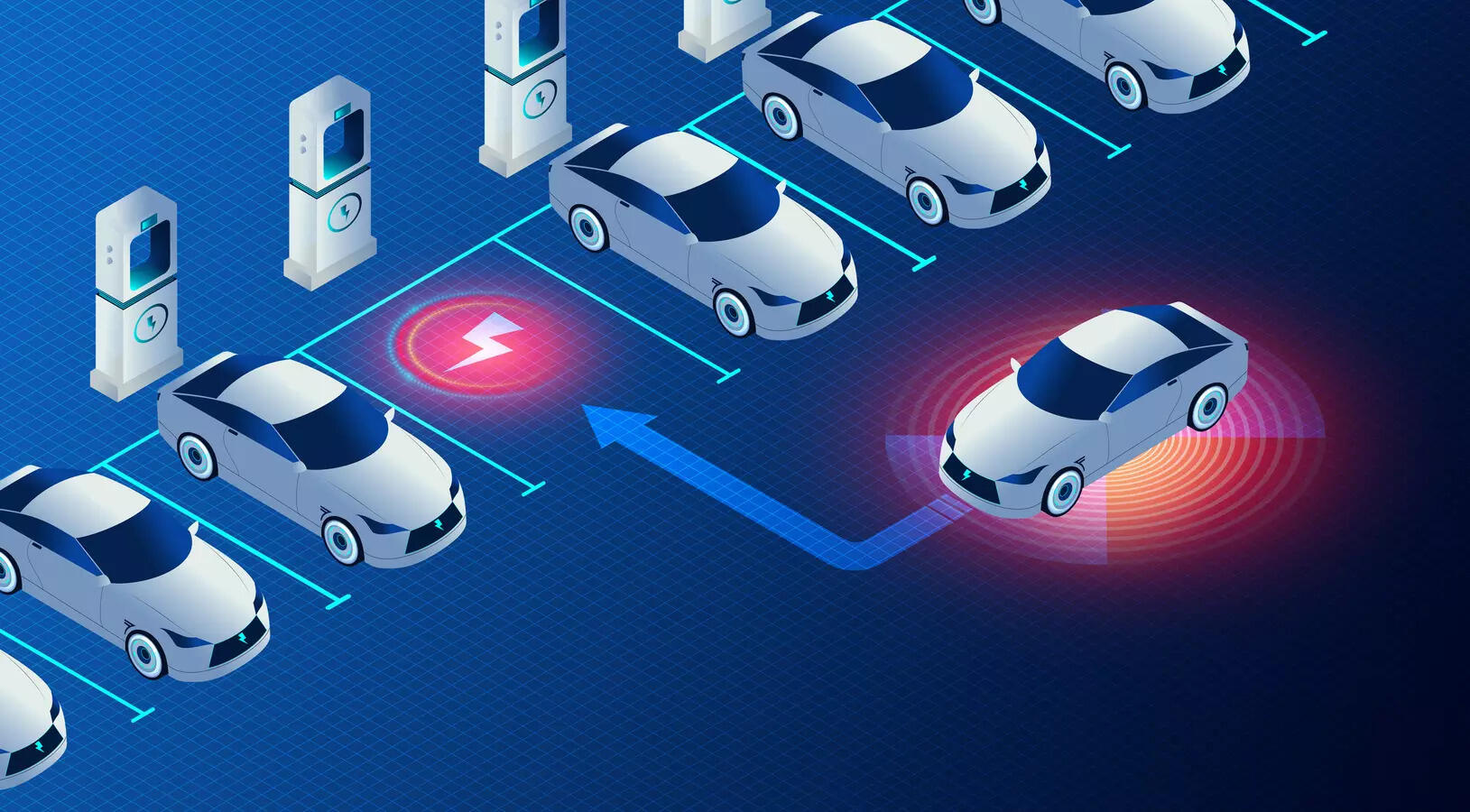 India’s energy security hinges on transport electrification, with recent infrastructure commitments paving the way for commercial-scale operations.
“>
Recent industry developments have confirmed what those of us in commercial electric mobility have been saying: transport electrification is not a future agenda; it is a present-day imperative for India’s energy security.Recent announcements saw significant infrastructure commitments, with signing of an MoU for India’s largest mega EV charging hubs, Indian Oil highlighting over 14,000 charging points, and BPCL announcing EV facilities at 6,500+ fuel stations. These are critical enablers. But infrastructure alone does not drive transition, operational proof does. Our fleet of 5,259 electric commercial vehicles – 2,561 buses and 2,698 light commercial vehicles, represents India’s largest commercial EV deployment. These vehicles have covered 266.98 million kilometres, preventing 143,099 tons of CO2 emissions annually, equivalent to planting 5.72 million trees every year. These are not pilot numbers. This is commercial-scale operation delivering measurable impact today.
Why commercial vehicles matter more
Commercial vehicles deliver disproportionate impact. A single electric bus operating 60,000 kilometres annually prevents 45 tons of CO2 emissions. Our 2,561 electric buses save 115,904 tons of CO2 each year across 153.66 million kilometres. Our 2,698 electric LCVs add 27,196 tons of CO2 savings across 113.32 million kilometres. Each vehicle prevents 27.21 tons of CO2 annually. This is where transport electrification directly supports energy security, every electric kilometre reduces India’s dependence on imported diesel and stabilises transport costs against fuel price volatility.
The operational reality
India Energy Week 2026 made clear through SIAM’s Sustainable Mobility Pavilion where we participated alongside nine other manufacturers, that India’s transition will be multi-fuel. SIAM correctly emphasized that “electric mobility, biofuels, gas, hydrogen and cleaner ICE technologies must progress in parallel.”
But for urban public transport and last-mile logistics, electric is the optimal solution today. Fleet operators choosing our vehicles are making operational decisions, not environmental statements. Lower maintenance costs, predictable energy expenses, and favourable total cost of ownership within 3-5 years drive adoption.
Our 267 million operational kilometres have taught us critical lessons. Charging infrastructure is necessary but not sufficient. Fleet operators need financing models suited to commercial EVs, service networks understanding electric powertrains, and fleet management platforms optimizing battery performance.
The scale-up imperative
Prime Minister Modi highlighted $500 billion in energy sector investment opportunities at India Energy Week. Commercial vehicle electrification must claim its share. We need accelerated battery cell manufacturing localization, reinforced by discussions around rare earth supply concerns. We need policy stability giving fleet operator confidence in TCO calculations. We need state procurement mandates creating demand visibility for manufacturers.We are scaling our fleet tenfold by 2030—50,000+ electric commercial vehicles preventing over 1.4 million tons of CO2 annually. This requires working closely with states, corporations, and fleet operators to accelerate adoption.
The charging infrastructure announcements are positive signals. What we need now is execution, converting commitments into commissioned chargers and pilot programs into commercial deployments at scale.
Moving forward
Energy security and transport electrification are interconnected imperatives. Every electric kilometre strengthens India’s energy independence. Recent developments have demonstrated India’s central role in global energy transformation. But ultimately, transition happens on the road, not in conference halls. It happens when bus operators see operating cost advantages, when logistics companies improve delivery economics, when state transport undertakings issue electric tenders and manufacturers respond with proven solutions.Our 5,259 vehicles are proving the case every single day across diverse operating conditions from Chennai’s heat to Delhi’s cold, from Mumbai’s traffic to Bangalore’s elevation. Now it is time to scale what works and demonstrate that India can lead commercial vehicle electrification through operational excellence, not announcements.
(Disclaimer: The article is authored by CEO of Switch Mobility. ETAuto does not endorse or take responsibility for the content.)
Join the community of 2M+ industry professionals.
Subscribe to Newsletter to get latest insights & analysis in your inbox.
All about ETAuto industry right on your smartphone!
- Download the ETAuto App and get the Realtime updates and Save your favourite articles.