Autobayng News Team


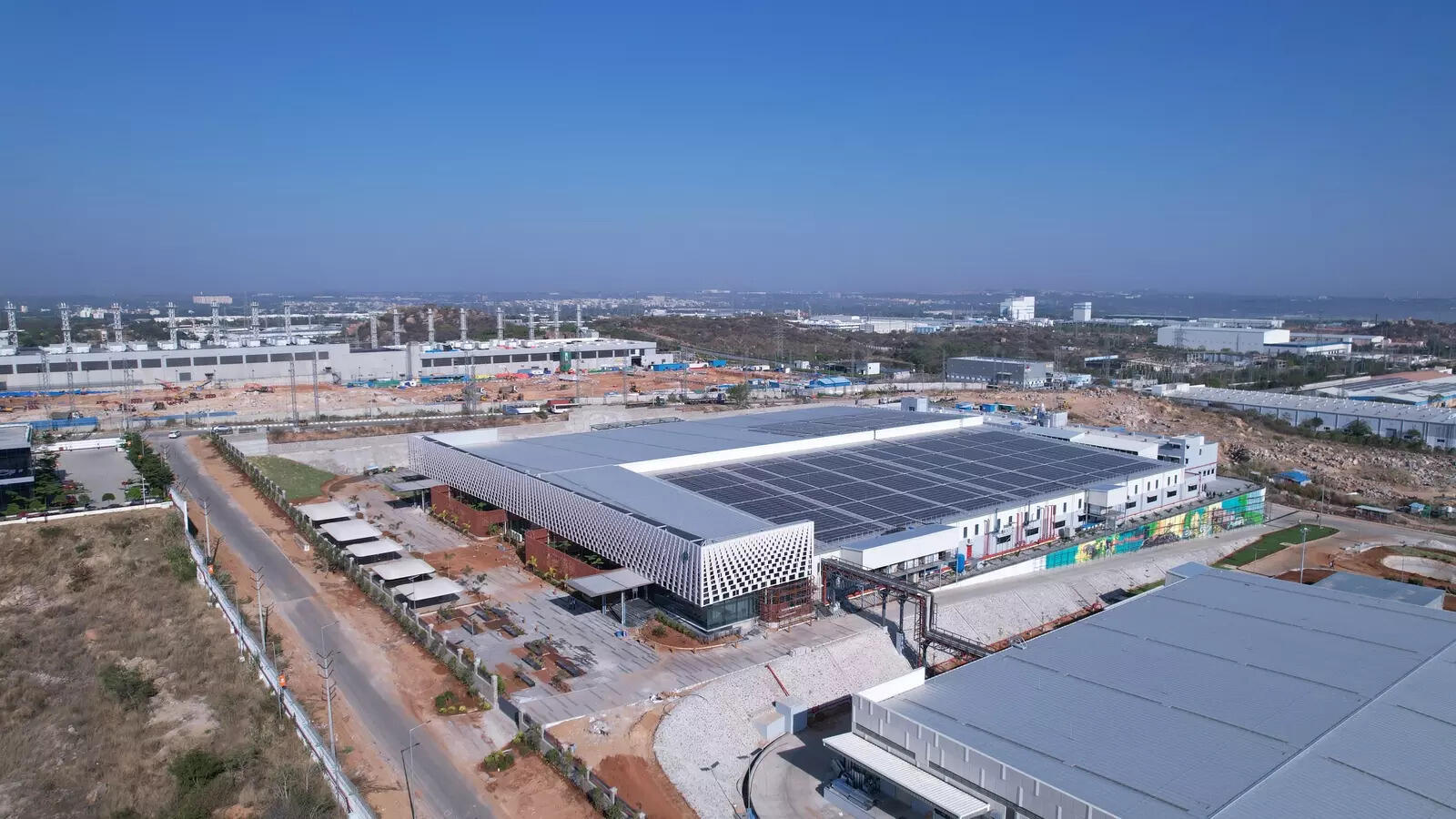 Spread across 18.4 acres with a built-up area of about 2,80,000 sq ft in the first phase, the facility represents an investment of about ₹216 crore. It currently employs around 450 people.
“>
Exicom Tele-Systems Limited has begun operations at a new manufacturing facility in Hyderabad as the EV charging equipment maker looks to increase production capacity, support exports and deepen localisation of key components.The plant, which started operations in November 2025, comes as electric vehicle adoption in India expands beyond two and three-wheelers to cars, buses and trucks. The company said the facility has been designed to complement its existing manufacturing unit in Gurgaon rather than replace it.“Facility was not created with zero intention… it is an additional facility. We wanted to ramp up our manufacturing capacity in line with what is happening in Indian markets,” said Anshuman Divyanshu, Chief Executive Officer – EVSE business, Exicom.
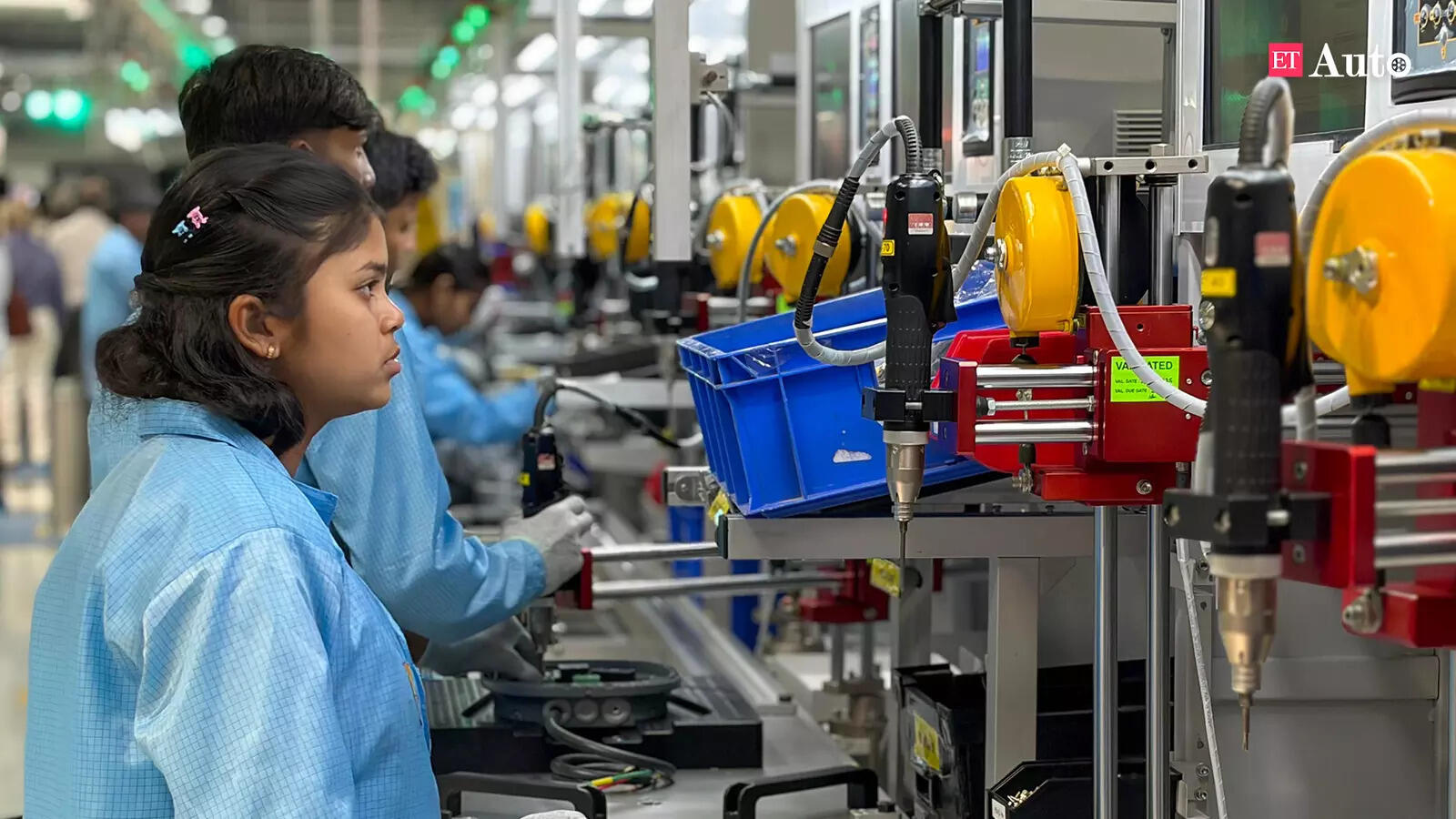
The company intends to run both plants in parallel for the foreseeable future, with Hyderabad gradually taking on a larger share of production due to its higher level of automation and traceability.
Spread across 18.4 acres with a built-up area of about 2,80,000 sq ft in the first phase, the facility represents an investment of about ₹216 crore. It currently employs around 450 people.
Capacity expansion and export focus
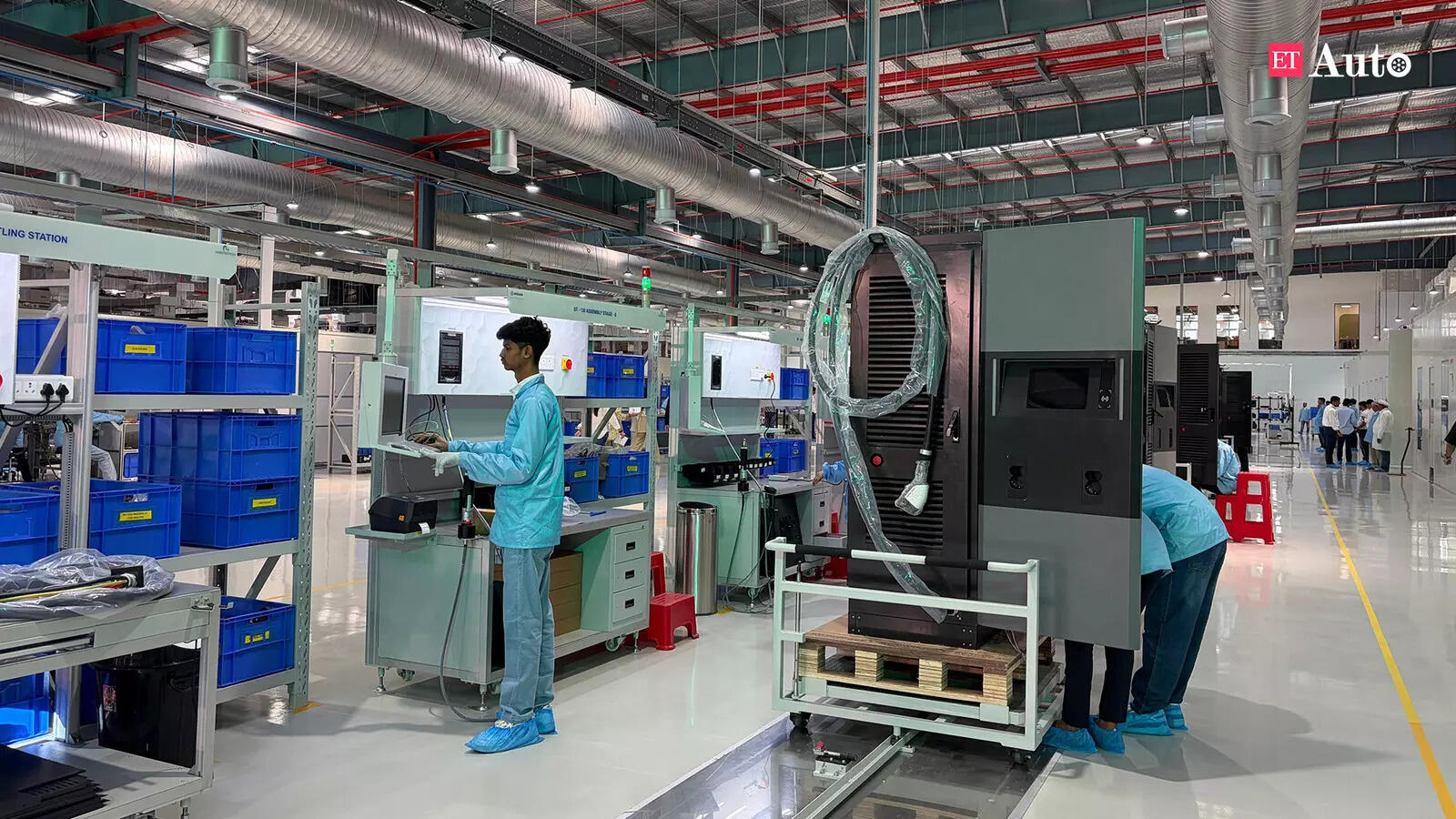
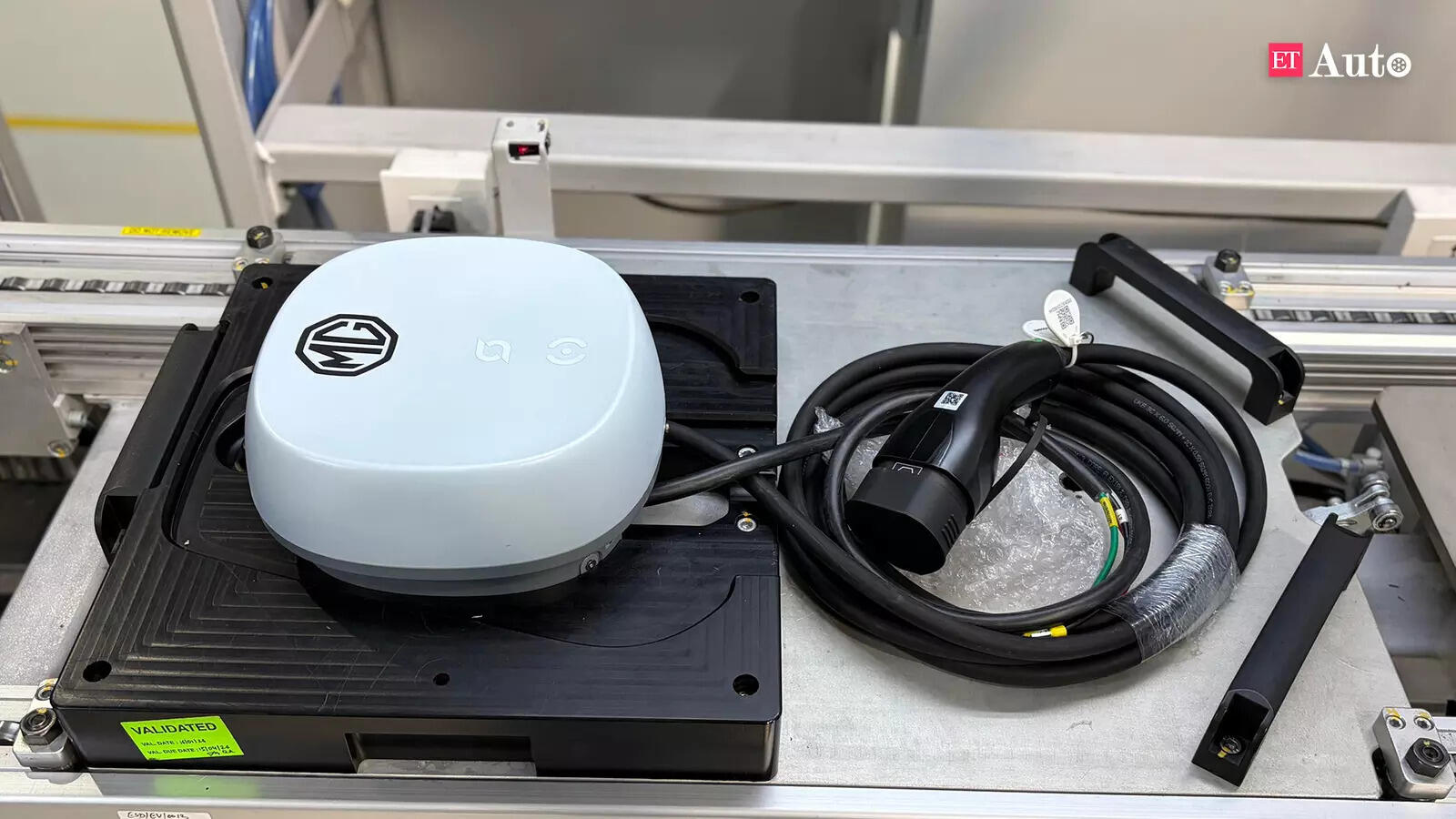
The Hyderabad facility has been set up to manufacture a range of EV charging and power-electronics products, including DC fast chargers, AC chargers, rectifiers, controllers, and lithium-ion battery modules.
Installed capacity includes production of about 4,000 DC fast chargers annually and 100,000 AC chargers per month, along with lithium-ion battery manufacturing capacity of up to 1 GWh at the module-to-pack level.
Divyanshu said the additional capacity is intended not only to meet domestic demand but also to support the company’s export strategy.
“We are already present in Southeast Asian markets and the Middle East,” he said. “We have recently gone for UL certification of our AC chargers, which means we will now be able to sell in the US.”While Asia remains an important market, the company plans to expand its presence in Europe and the US, particularly in the AC charging segment.For DC fast chargers, Exicom already operates a manufacturing facility in Tennessee, United States, under the Tritium brand.
Battery ecosystem and localisation
The Hyderabad plant also includes lithium-ion battery pack assembly operations. However, Divyanshu said the company will continue to depend on imported cells until domestic cell manufacturing becomes available at scale.
“We are not a cell manufacturer. Most of the incentives under the PLI scheme are for Advanced Chemistry Cell manufacturing,” he said.
“No cell is getting manufactured in India today, and I don’t think that for another one and a half years we are going to see any Indian cell. Till that time, our dependence is naturally going to be on overseas markets for cells.”
Once domestic cell production begins, the company intends to work with Indian manufacturers to integrate locally produced cells into its battery packs.
Exicom is also preparing to localise components used in high-power charging technologies. The company plans to start manufacturing AC-DC power modules for liquid-cooled charging systems at its Hyderabad plant from next month.Initially, these modules will be shipped to the company’s US operations for final assembly of fast chargers, with plans to eventually produce the finished products in India as well.
“The most complex part of the technology is modules. We are working on developing those in India,” Divyanshu said.
Industry 4.0 manufacturing
A key feature of the Hyderabad facility is its digitally connected manufacturing system, which tracks production data across multiple stages of the assembly line.
According to Vivekanand Kumar, Director at Exicom Tele-Systems, equipment across the plant is integrated with a central monitoring system that records production parameters and component traceability data in real time.
“All equipment is connected with each other and with the central system. At real time you can monitor processes happening at different stages,” Kumar said.
Manufacturing data captured on the line includes component traceability, torque values used during assembly and inspection results from vision cameras.
The system is designed to support error-proofing during production and to provide data for improving product design and manufacturing processes.
Kumar said the company is also studying ways to increase automation on the assembly lines by analysing production data. For instance, the company is evaluating whether the number of workers required on an AC charger assembly line can be reduced through automation.
Apart from EV charging equipment, the Hyderabad facility will also manufacture power electronics systems used in telecom infrastructure and energy storage applications.
The plant has been designed with energy and water management measures, including rooftop solar generation, rainwater harvesting and sewage treatment infrastructure.
Join the community of 2M+ industry professionals.
Subscribe to Newsletter to get latest insights & analysis in your inbox.
All about ETAuto industry right on your smartphone!
- Download the ETAuto App and get the Realtime updates and Save your favourite articles.