Autobayng News Team

- Published On Jan 29, 2026 at 01:45 PM IST
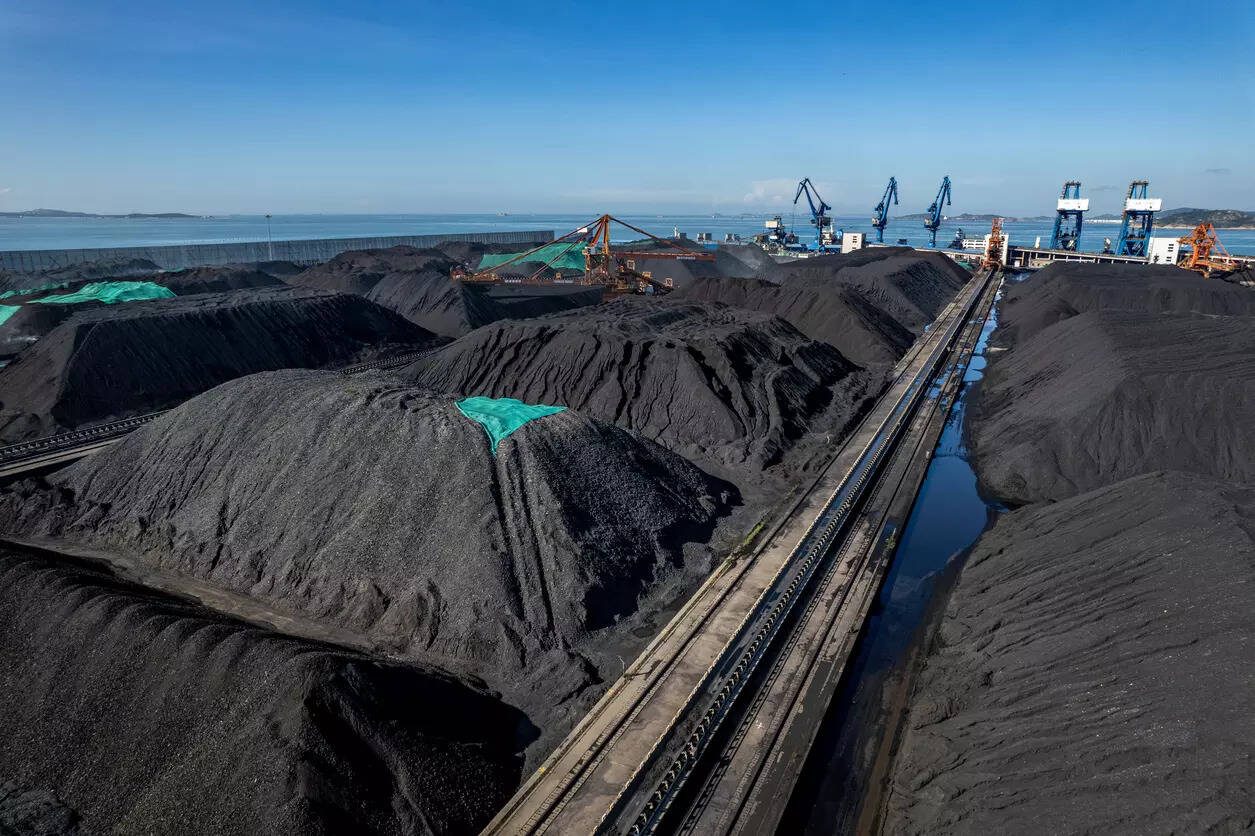
India on Thursday notified coking coal as a “Critical and Strategic Mineral” under the Mines and Minerals (Development and Regulation) Act, 1957, a move aimed at cutting import dependence and strengthening the domestic steel supply chain.
The decision, announced by the government, gives coking coal a special status under the law, allowing faster approvals, easier mining clearances and stronger policy support.
It comes as India continues to rely heavily on imports for a key raw material used in steelmaking.
The government said the step was taken on the recommendations of the High-Level Committee on Implementation of Viksit Bharat Goals and policy inputs from NITI Aayog, recognising the strategic role of coking coal in mineral security and the steel sector.
India has an estimated 37.37 billion tonnes of coking coal resources, mainly in Jharkhand, with additional reserves in Madhya Pradesh, West Bengal and Chhattisgarh. Despite this, imports have risen from 51.20 million tonnes in 2020–21 to 57.58 million tonnes in 2024–25. At present, about 95 per cent of the steel sector’s coking coal requirement is met through imports, leading to a large foreign exchange outgo.To address this, the government amended the First Schedule of the MMDR Act. In Part A, the term “Coal” now reads as “Coal, including Coking Coal”, and “Coking Coal” has been added to Part D, which lists Critical and Strategic Minerals.The notification is expected to speed up exploration and mining, including of deep-seated deposits. Mining of critical minerals is exempt from public consultation requirements and allows the use of degraded forest land for compensatory afforestation, steps that are aimed at encouraging private sector participation.The government said the reform will help reduce import dependence, strengthen supply-chain resilience for the steel sector and support the objectives of the National Steel Policy. It is also expected to boost private investment in exploration, beneficiation and advanced mining technologies, while creating jobs across mining, logistics and steel.It clarified that under Section 11D(3) of the MMDR Act, royalty, auction premium and other statutory payments will continue to go to state governments, even if mineral auctions are conducted by the Centre.
- Published On Jan 29, 2026 at 01:45 PM IST
Join the community of 2M+ industry professionals.
Subscribe to Newsletter to get latest insights & analysis in your inbox.
All about ETAuto industry right on your smartphone!
- Download the ETAuto App and get the Realtime updates and Save your favourite articles.